Programme intégré en physiothérapie musculosquelettique avancée (AIM)

Accélérer votre développement et votre croissance professionnels

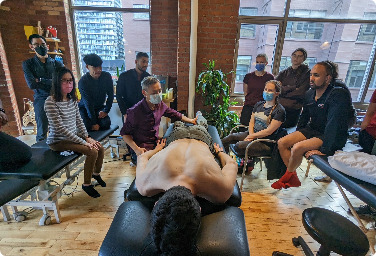
Êtes-vous un diplômé en physiothérapie qui cherche à propulser sa carrière à un autre niveau? Vous travaillez à temps plein et vous cherchez une façon flexible de parfaire vos compétences? Bonne nouvelle, le programme intégré en physiothérapie musculosquelettique avancée de la Division d’orthopédie est pour vous!

Horaire flexible

La structure du système vous offre plus de flexibilité en vous permettant de travailler à temps plein tout en prenant des cours localement et lors de fins de semaine.

Compétences acquises

Investissez dans votre propre formation pour améliorer votre raisonnement clinique, votre pensée critique et vos compétences en thérapie manuelle pour devenir un vrai expert.

Accès à des mentors

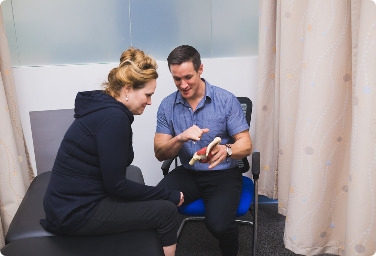
Le programme AIM vous permettra de communiquer avec des physiothérapeutes parmi les plus réputés au Canada.

Apprendre

Apprendre des techniques de pointe et développer une gamme de compétences informée par les preuves.

Améliorer

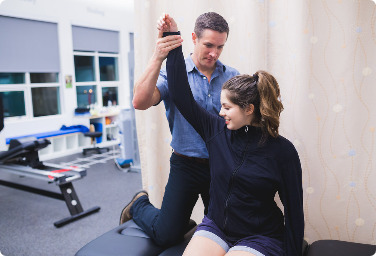
Améliorer vos techniques d’évaluation et de traitement de différentes conditions musculosquelettiques

Aider

Aider plus de patients avec de meilleurs résultats et plus de satisfaction

Télécharger la brochure

This course is designed to enhance your knowledge and development of advanced clinical skills in the assessment and treatment of neuromusculoskeletal dysfunctions of the lower quadrant (lumbar spine, pelvic girdle, and lower extremity peripheral joints).

You will gain a comprehensive understanding of a multimodal treatment approach to the management of acute, persistent, and recurrent injuries of the lower quadrant including education, therapeutic exercise, manual therapy, prognosis, and prevention. You will learn effective strategies for targeted assessment and treatment in each region of the lower quadrant.

This course is designed to enhance your knowledge and development of advanced clinical skills in the assessment and treatment of neuromusculoskeletal dysfunctions of the upper quadrant (cervical spine, thoracic spine, shoulder girdle and upper extremity peripheral joints).

You will gain a comprehensive understanding of a multimodal treatment approach to the management of acute, persistent, and recurrent neuromusculoskeletal injuries of the upper quadrant including education, therapeutic exercise, manual therapy, prognosis, and prevention. You will learn effective strategies for targeted assessment and treatment in each region of the upper quadrant.

This course will build on knowledge and skills taught in Level 2 Lower. You will learn to assess and treat more complex neuromusculoskeletal dysfunctions of the lower quadrant including an enhanced understanding of the thoracolumbar and lumbosacral junctions.

You will advance your clinical reasoning skills to establish a diagnosis, integrate various approaches to clinical practice and critically evaluate literature with your clinical experiences. You will improve your abilities in exercise prescription, prognosis generation, manual practical skills, and selection of relevant outcome measures. Additionally, you will take a deep dive into the interrelationships between proximal and distal regions while exploring the patient’s narrative.

This course will build on theoretical knowledge and clinical skills taught in Level 2 Upper. You will learn to assess and treat more complex neuromusculoskeletal dysfunctions of the upper quadrant including an enhanced understanding of the cervicothoracic junction and TMJ.

You will advance your clinical reasoning skills to establish a diagnosis, integrate various approaches to clinical practice and critically evaluate literature with your clinical experiences. You will improve your abilities in exercise prescription, prognosis generation, manual practical skills, and selection of relevant outcome measures. Additionally, you will take a deep dive into the interrelationships between proximal and distal regions while exploring the patient’s narrative.

These courses are designed to advance your clinical reasoning skills in the assessment and treatment of complex neuromuscular conditions, which includes spinal manipulation
thrust techniques.

You will gain confidence in the application of spinal manipulation techniques and integration into your clinical practice. You will learn the indications, contraindications, application of clinical decision-making tools, and understand the mechanisms and efficacy of manual therapy.

Completing Level 4/5 will mean you are on your way to completing the AIM physiotherapy program and achieving FCAMPT credentials.

The ability to retrieve, critically appraise and integrate the research evidence into practice is essential to your ongoing growth. In this online course, you will develop the skills to conduct a literature search using various databases, evaluate different types of research and integrate and apply evidence-informed approaches to your decision making. Participants will work in groups to critically appraise various types of research using the PICOT framework and a critical appraisal tool. The final assignment will require participants to write and present a case report demonstrating the application of the five steps of evidence-informed practice developed throughout the course (Ask, Acquire, Appraise, Apply, Assess).

This course provides participants with an introduction to critical appraisal of quantitative studies evaluating the effectiveness of an intervention (randomized trials), validity of a diagnostic test, identification of risk factors for disease development or prognostic factors for disease outcomes, the validity of a systematic review and an introduction to qualitative research.

Bâti sur une longue tradition d’excellence, le 1er en son genre au Canada, le programme est reconnu pour ses enseignants qualifiés et son curriculum informé par les preuves.

Après avoir complété avec succès le programme, vous devenez éligible à devenir un Fellow du Canadian Academy of Manipulative Physical Therapists (FCAMPT).

Créer un plus grand impact sur votre monde et votre communauté.

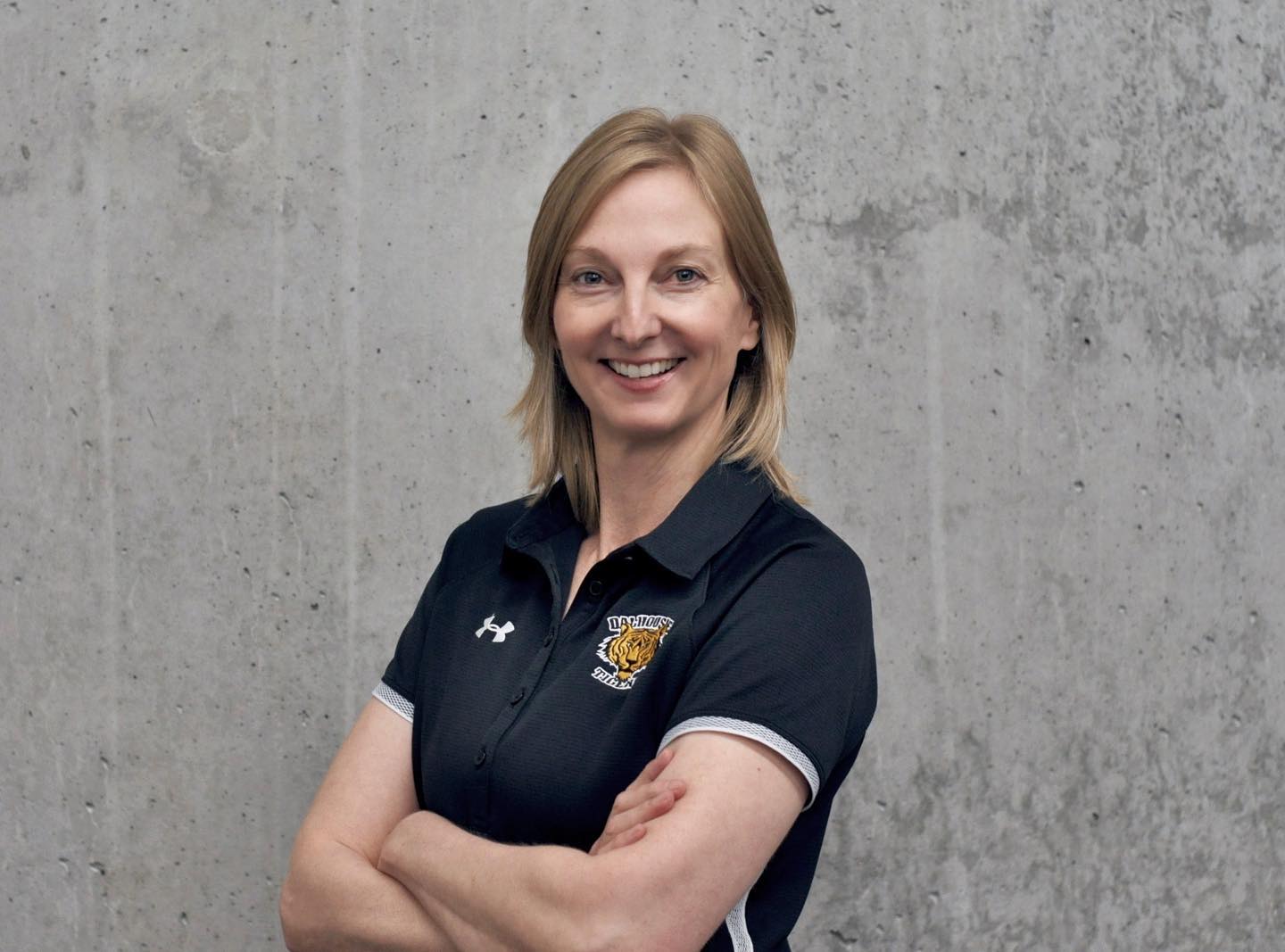
Rhonda Reardon

Nouvelle-Écosse – Instructrice AIM Niveau 4/5

Directrice et Physiothérapeute sénior – Université Dalhousie

Nishanth Kumar

Ottawa – Instructeur AIM Niveau 2

Directeur - Ottawa Physiotherapy & Sports Clinics

Kate Kennedy

Colombie-Britannique – Instructrice AIM Niveau 3

Physiothérapeute sénior - Main Street Physio

Eve Chaput

Québec – Instructrice Niveau 1/ 2 à l’AQPMA

Propriétaire de la clinique Kinatex Plateau et enseignante à l’Université de Montréal

Afin d’en savoir plus au sujet du programme

Inscrivez-vous à notre série de courriels